

More than half of older adults seeking cannabis for health concerns are choosing combination THC-CBD edible products over single-cannabinoid options, according to new research published in JAMA Network Open.
Researchers from the University of Utah Health and the University of Colorado Boulder interviewed 169 adults over the age of 60 who were about to purchase cannabis for the first time between November 2021 and November 2023.
The study identified six primary motivations for trying cannabis: seeking alternatives to pharmaceutical medications, having exhausted other treatment options, experiencing worsening age-related symptoms, influence of evidence or social claims of benefit, interest in recreational use, and substance substitution.
“Overall, they really wanted better quality of life, reducing their pain, getting better sleep, and being able to enjoy time with family and friends a little bit more,” said Rebecca Delaney, PhD, assistant professor of population health sciences at the University of Utah Health.
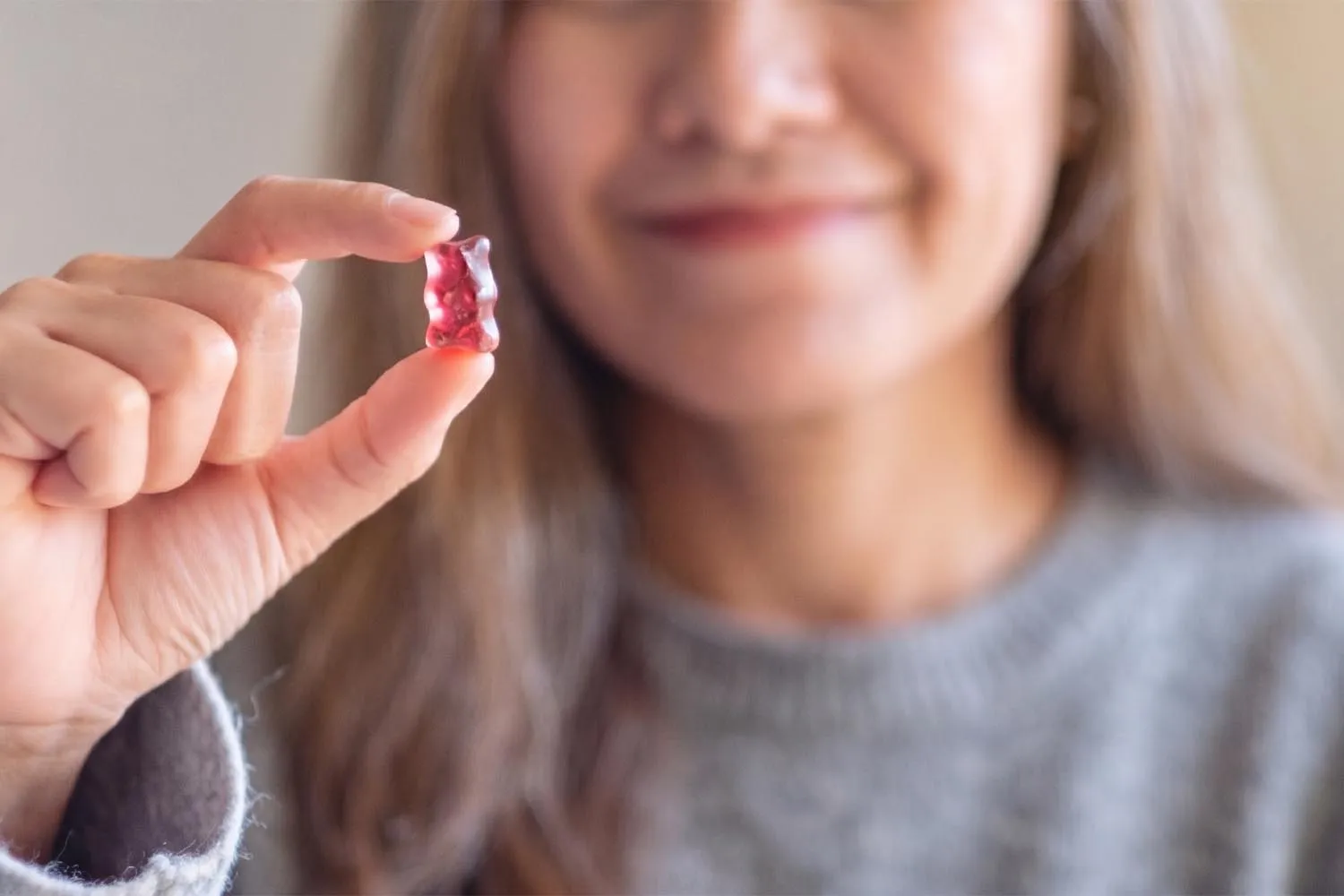
The data revealed that 57.5% selected combination tetrahydrocannabinol (THC) and cannabidiol (CBD) products, while 28.7% chose CBD-only products, and just 13.8% opted for THC-only options. Participants reported that they valued THC products for their psychoactive and therapeutic effects but worried about impairment and unwanted side effects. CBD products were seen as offering symptom relief without intoxication, though many questioned their effectiveness. Most people chose combination products containing both THC and CBD because they saw them as a “Goldilocks option” that gives the best of both worlds.

“I think if the benefits are in the CBD and not in the THC or the THC and not in the CBD, if it’s a combination at least I should be able to get the benefits from something,” said one participant in their 60s who chose a combination product.
The researchers noted the study reveals important gaps in medical guidance. Many older adults reported making purchase decisions based on positive anecdotes about cannabis from friends or family members. “I’ve read about it and I have friends who are on medical cannabis who are getting relief,” reported one participant in their 70s. “Getting help with sleep and some relief from pain.”
“I worry about the side effects of the NSAID meds, the Aleve, Excedrin, aspirin, ibuprofen,” reported another participant in their 70s. “They all really do help my arthritis when I take it, but I’ve also had friends that have gotten bleeding ulcers from taking those meds too much, so that’s made me very worried about taking them too often.”
The study’s findings are particularly relevant given that older adults represent the fastest-growing group of cannabis consumers in the United States following state-level legalisation for medical and recreational use.
“For the most part, we found that these folks aren’t really interested in getting high. They just want to feel better,” said Angela Bryan, PhD, professor of psychology and neuroscience at CU Boulder. However, 12 participants did express an interest in social or recreational use. “I wouldn’t mind getting high,” reported one participant in their 70s. “I mean, I remember that from the old days.”
