


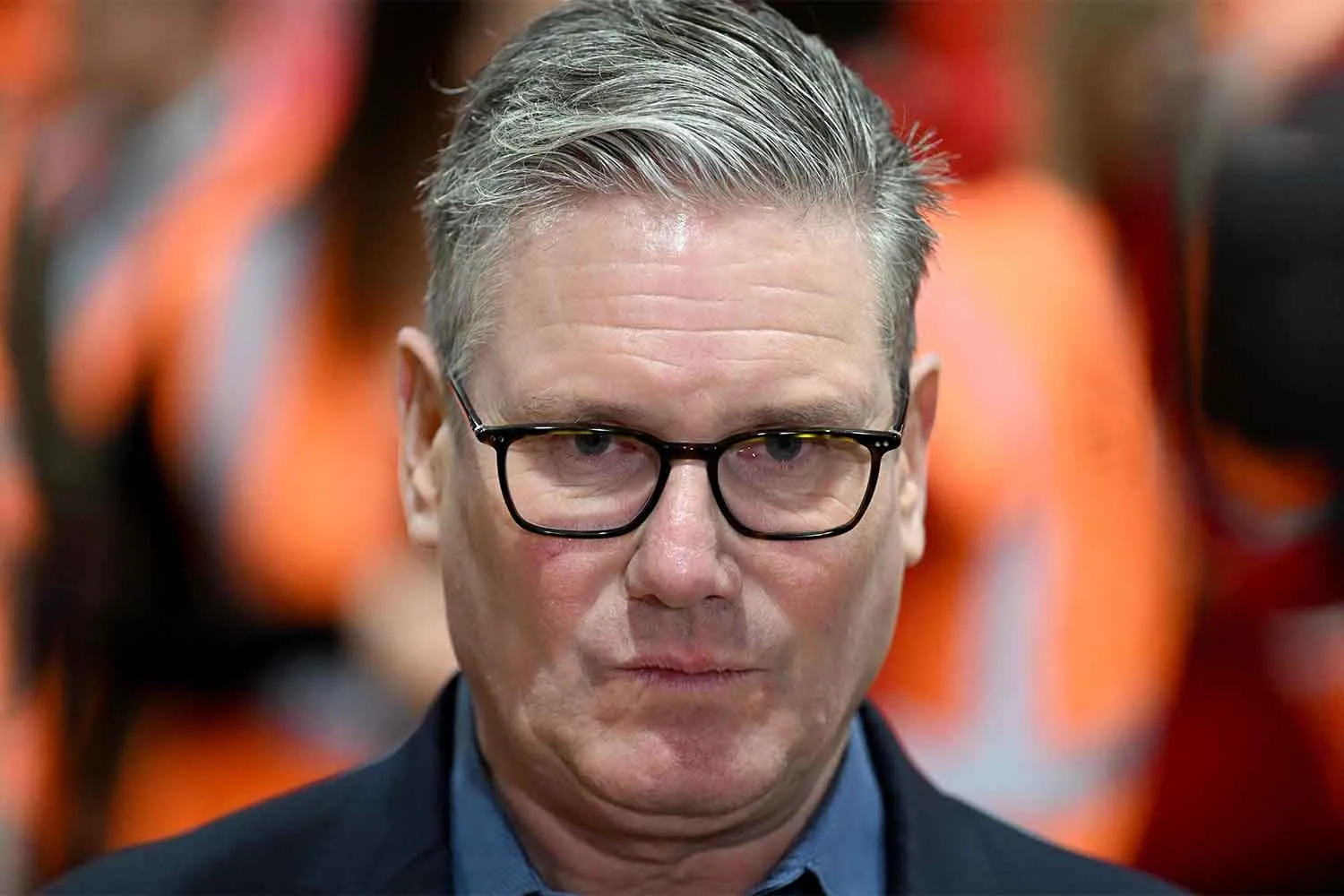
An organisation made up of hundreds of former law enforcement officials, including police chiefs, undercover operatives and intelligence personnel, has criticised the Prime Minister and Labour Party for their attacks on Green Party drug policy during recent campaigning.
The statement from Law Enforcement Action Partnership UK (LEAP) follows criticism from Starmer over the Green Party’s manifesto pledge to “legalise, regulate and control” all drugs. “The Greens say we should legalise heroin and crack cocaine,” he told reporters at Rushford Park football club during campaigning in the upcoming Gorton and Denton by-election campaign. “Imagine what would happen in every park and every playground in this constituency if that happened.”
“I have to say, as a father of a boy who’s 17-and-a-half, the idea that the Green Party would make the argument that just, in a few months time, it should be perfectly lawful to sell him heroin and crack cocaine – I find that disgusting,” The Prime Minister added.
Green Party leader Zack Polanski responded by accusing Labour of making “cheap political attacks for short-term gains”. “What Keir Starmer and this Labour Government have said on drugs policy is vile,” Polanski said. “It debases politics.”
LEAP said the comments from government ministers were “distressing” given the UK’s record drug death rates.
“Over the last few days, we have witnessed videos and commentary from the Prime Minister, the Minister of State for Policing and Crime, and from official Labour Party communications, criticising the manifestoed drugs policy of the Green Party,” the organisation said in a statement.
The organisation highlighted that the UK faces the highest rates of drug-related deaths since records began, with Scotland leading Europe in such fatalities. “With this in mind, and at this critical time, it is distressing to witness these debasing comments from official party communications and the Government,” LEAP said.
LEAP, which officially launched its UK branch in the Houses of Parliament with the support of Labour MP Paul Flynn in 2016, said it had held conversations with most political parties over the past decade and had witnessed progress on drug policy reform in manifestos from the Greens, Liberal Democrats, Plaid Cymru and the SNP.
“We believed the days of salacious headlines and political point-scoring were over, as a consensus was reached that we desperately need to have this conversation around saving lives in an open and respectful manner,” the statement said.
The organisation outlined several key issues requiring consideration in drug policy reform, including saving lives, reducing stigma around addiction, addressing county lines drug sales, safeguarding women and mothers, tackling racial disparities, and addressing national and international security concerns.
“Our current and historical drug policy does not meet those aims and serves as a stark reminder of why an evidence-based and depoliticised conversation is urgently needed,” LEAP said.
The organisation has invited the Prime Minister and government to hold discussions with drug policy reform advocates and urged the media to represent the issue “in a fuller context, all in efforts to save lives and preserve the safety of our communities”.
Speaking to leafie, Jason Reed, Chair of Trustees LEAP UK and Global Communications Director LEAP, said, “There’s been a lot of mishandling of the drug policy debate over the years, and the recent comments and communications that have been released from the government and Prime Minister are certainly some of the more troubling that we’ve witnessed.”
“It’s commonplace for media headlines of a clickbait nature, or for politicians to use the issue in a misguided ‘tough on crime’ stance, but we really have to use every tool we have to change the core narrative of the debate. We can’t allow the policy discussion to be debased or misrepresented any longer.”
Polanski defended his party’s policy by arguing that the war on drugs had failed and that regulation was needed. “Sadly, in a playground, people already have access to drugs. So, what we’re talking about is regulating them,” he said.
