


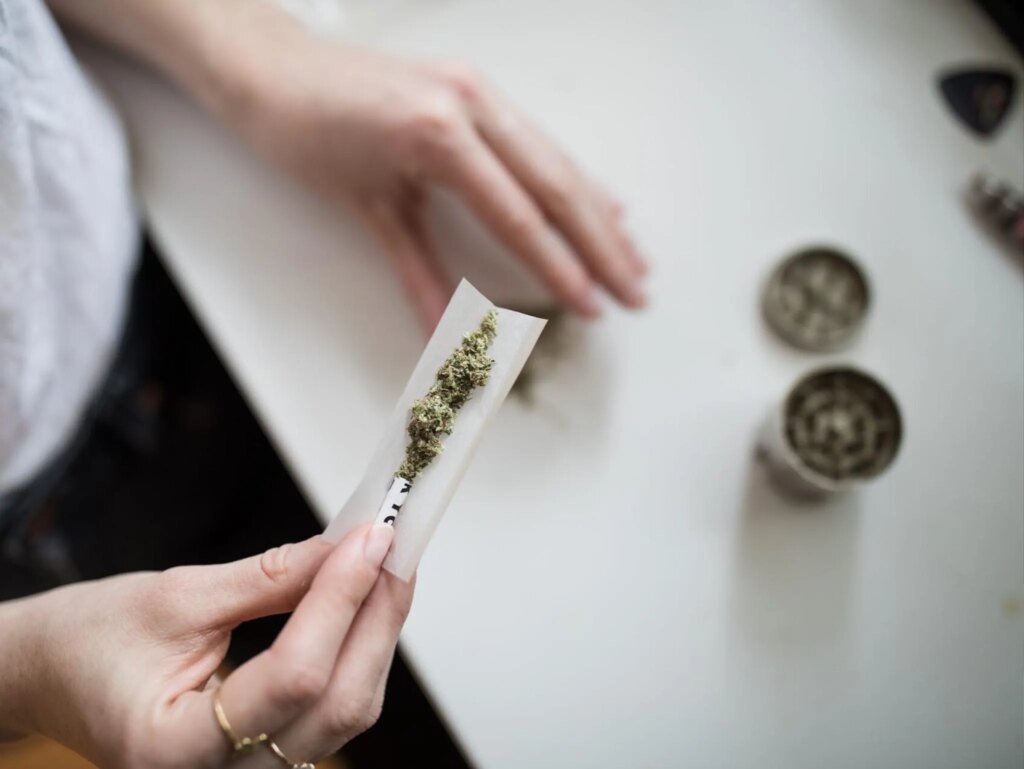
Patients with chronic lower back pain who failed to respond to traditional therapies experienced “large, sustained, and statistically robust improvements” when they switched to inhaled medical cannabis, according to a five-year study published in the journal Biomedicines.
Researchers followed 241 patients from 2020 to 2025, finding that 89% of participants achieved at least a 30% reduction in pain levels after five years of cannabis use. More significantly, opioid use among the group fell from 100% to just 5%, whilst anti-inflammatory use dropped from 100% to 7%.
“Inhaled medical cannabis was associated with large, statistically robust, and clinically meaningful sustained improvements in pain, disability, pain severity, and pain interference,” the researchers wrote.
The study participants, who had an average age of 49 and had been living with chronic pain for an average of 15 years, had all previously failed to respond to at least one year of conventional treatments, including opioids, NSAIDs, antidepressants and physiotherapy. Each patient served as their own historical control, with their pre-cannabis baseline outcomes compared to results over the following five years.
Participants used inhaled or vaporised cannabis containing THC levels between 4% and 22% and CBD concentrations between 2% and 22%. The researchers noted they chose to study inhaled cannabis “because of its rapid onset, on-demand titratability, and patient preference”.
By year five, 77% of patients had achieved at least a 50% reduction in pain levels, whilst 93% met the minimum clinically important difference threshold. The retention rate remained exceptionally high at 99%, with only 2% of patients discontinuing treatment due to adverse events or lack of efficacy.


The study also documented a near-complete displacement of conventional pain medications. Alongside the dramatic reduction in opioid and NSAID use, SSRI/SNRI antidepressant use fell from 81% to 5%, whilst gabapentinoid use dropped from 39% to 3%.
99.8% of recorded side effects were graded as mild. The most common effects were ocular symptoms, cognitive effects and gastrointestinal reactions – all well-documented effects of inhaled cannabis. No deaths were recorded during the study period, and no patient experienced moderate or severe cannabis-related adverse events.
“The within-patient benefit-risk profile supports consideration of cannabis as a potentially clinically meaningful, opioid-sparing option in patients who have failed multimodal conventional therapy,” the study concluded.
However, the researchers emphasised that whilst the results are promising, “randomized comparative trials of inhaled cannabis versus continued multimodal therapy” are needed before causal claims can be made definitively. The observational nature of the study means factors such as regression to the mean and expectancy effects cannot be entirely ruled out.
The findings align with growing evidence that cannabis can serve as an effective substitute for opioids in chronic pain management. A study published in May 2026 found that long-term chronic pain patients were able to lower their opioid consumption after the introduction of funded medical cannabis, with the results showing a 65% reduction in mean daily opioid consumption.