


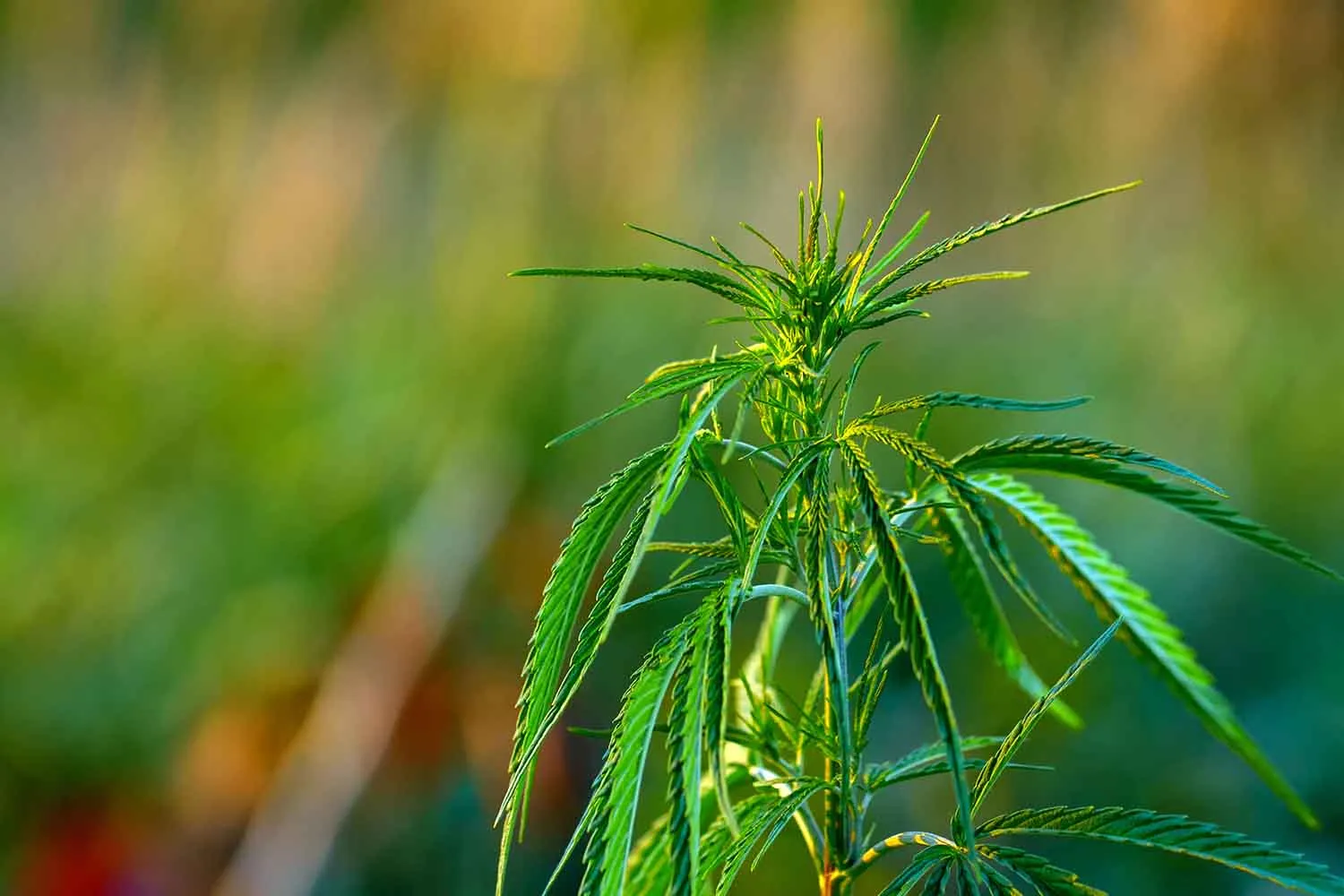
Cannabis was a core crop in ancient China, ranking alongside rice, millet, barley and soybean as one of the “five grains” fundamental to the development of early agricultural societies, according to new archaeological research.
A study of two late Neolithic sites in Shandong, northern China, found that cannabis was “systematically integrated” into daily life between 4,500 and 3,400 years ago, with evidence of the plant present in more than half of all locations examined.
Published in the Journal of Archaeological Science, the study demonstrated that cannabis was used primarily for food and fibre in domestic settings, including houses and ash pits, rather than exclusively for ritual or medicinal purposes as some earlier research suggested.
The research team, from the Joint International Research Laboratory of Environmental and Social Archaeology at Shandong University, analysed 132 samples from the Beitaishang and Qianzhongzitou sites using phytolith analysis – a technique that identifies microscopic mineral structures preserved in plant cells.
Phytoliths are microscopic ‘stones’ made of minerals derived from the soil that some plants store in their cells. These silica structures, which are thought to help plants protect against attacks from insects and fungi, are valuable to archaeologists because they persist in the soil long after the plant has decayed or burned.
Previously, archaeologists relied on discovering the remains of cannabis seeds, fibres, pollen and textiles, which the researchers noted were “rare both in quantity and ubiquity” due to poor preservation.
Cannabis phytoliths were found in 68.8% of samples from Beitaishang and in 72.3% of late Neolithic samples from Qianzhongzitou. At the latter site, 51.6% of early Bronze Age samples also contained cannabis remains.

“The ubiquity of cannabis phytoliths at both sites exceeds 50%, and their co-occurrence with staple crops such as foxtail millet, broomcorn millet, and rice reaches 84-100%,” the study stated.
The findings suggest cannabis served multiple purposes in ancient Chinese society, including as a source of fibre for clothing, seeds for food and oil, and stems for textile production. While some cannabis was used for medicinal or psychoactive purposes in ritual contexts elsewhere in ancient Eurasia, the Shandong evidence points to primarily everyday agricultural use.
“This study highlights how phytolith analysis can effectively overcome the preservation biases of organic remains, offering a new avenue for understanding the role of cannabis in the subsistence system of prehistoric northern China and its spread and utilization across prehistoric East Asia,” the researchers said.
The study notes that cannabis was probably first domesticated in this region around 12,000 years ago, subsequently spreading across Eurasia during the Bronze Age (3,800-2,200 years ago).
By approximately 4,000 years ago, cannabis had undergone “strong divergent selection” for either increased fibre or drug production, the paper explains.
“Early domesticated cannabis was first used as a primarily multipurpose crop until ∼4000 years ago, before undergoing strong divergent selection for increased fiber or drug production,” the authors said. “The former, with THC content above 0.3%, was primarily used for medicinal or psychoactive purposes, while the latter, with THC content below 0.3%, was mainly cultivated for textiles, food, and oilseed.”
The research fundamentally challenges previous understanding of cannabis in prehistoric China, demonstrating that the plant was far more central to ancient agricultural economies than limited organic remains had suggested.
