


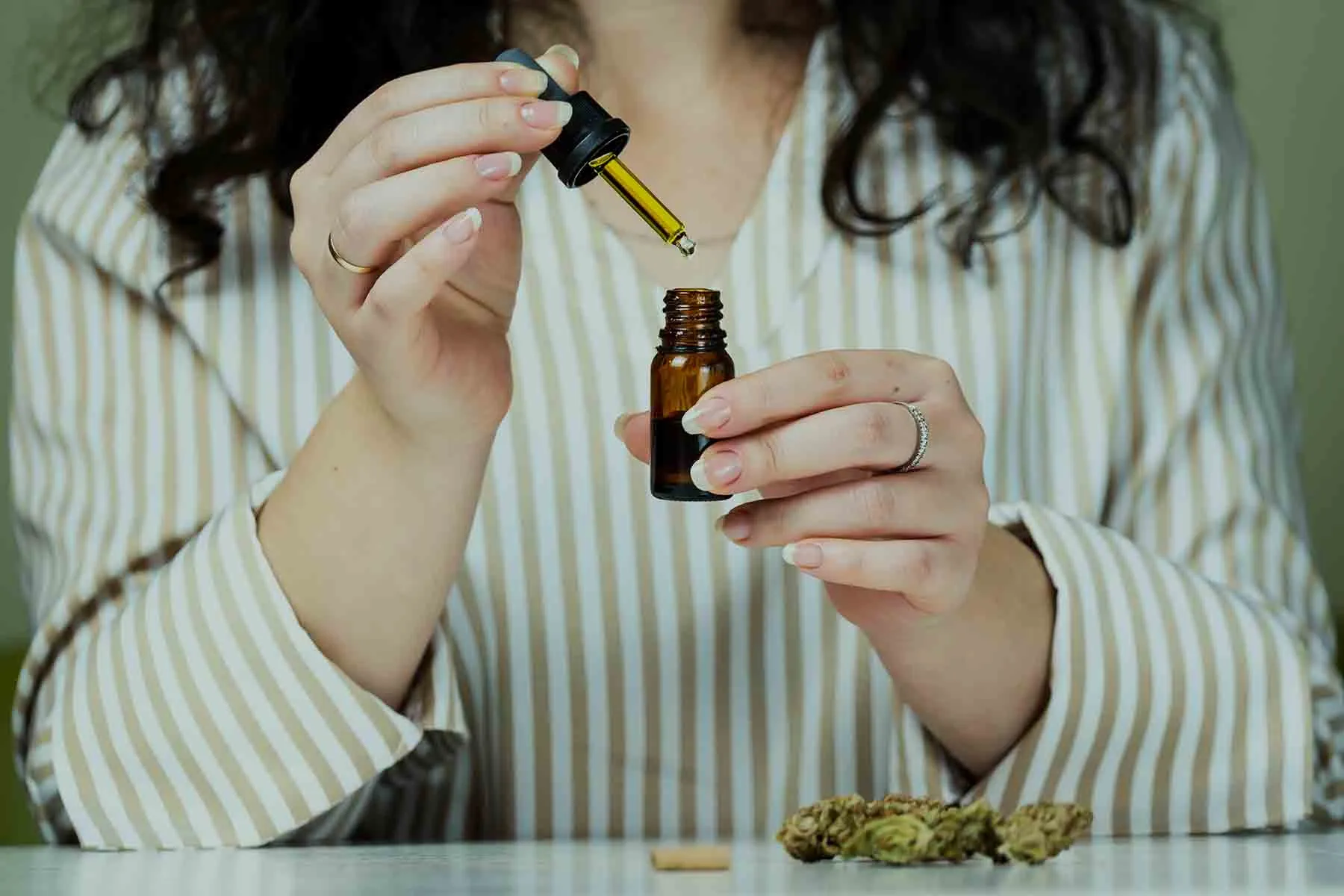
Introduction
Since November 2018, specialist doctors in the UK have been able to prescribe cannabis-based medicinal products (CBMPs). Many know cannabis treats seizures and muscle spasms. Fewer realise it can treat psychiatric disorders too.
With increased recognition in healthcare and greater public awareness of the condition, more adults receive ADHD diagnoses now than ever before. While common stimulant drugs can be of huge benefit to people living with ADHD, some find solace in alternative therapies. As research into the cannabis plant evolves, more and more people are seeking medical cannabis to manage their ADHD symptoms. Yes, that’s right. You can get a UK medical cannabis prescription for ADHD – and here’s how.
Key takeaways
- Legal status: Medical cannabis has been legal in the UK since 2018, but NHS prescriptions for ADHD remain extremely rare. Private specialist clinics are the primary access route.
- Evidence: A 2023 UK Medical Cannabis Registry study found improvements in quality of life, anxiety and sleep in 68 ADHD patients over 12 months.
- ADHD symptoms: Evidence on whether cannabis improves core ADHD symptoms (focus, impulsivity, hyperactivity) is mixed. Some studies show benefits; others show no improvement. Patients report varying improvements based on the type of ADHD.
- Who it’s for: CBMPs may be considered for adults with ADHD when conventional treatments have failed or caused intolerable side effects, particularly if anxiety or sleep problems are present.
- Risks: Potential side effects include sedation, anxiety and short-term memory problems. Cannabis can interact with stimulant medications.
- Costs: Private assessment fees typically range from £0 to £200, with monthly prescriptions costing £150 to £250 on average.
What is ADHD?
ADHD, short for attention deficit hyperactivity disorder, is a condition characterised by a range of behavioural symptoms, including inattentiveness, impulsiveness and hyperactivity. Although commonly diagnosed during childhood, ADHD is sometimes not recognised until late adolescence or adulthood. It is thought that about 5% of children and 3% of adults have ADHD in the UK.
There are three major types of ADHD, categorised based on the symptoms that the individual presents:
- Hyperactive-impulsive, which will typically involve fidgeting, excessive talking and interrupting others.
- Inattention, where a person may have difficulty concentrating and with organisation, or may be easily distracted.
- Combined, where a person displays features of both subtypes.
The cause of ADHD is not fully known. It may have a genetic influence, but there are also some known risk factors. These include being male, being exposed to maternal smoking or alcohol use during pregnancy, premature birth and having developmental disorders.
Standard UK treatments for ADHD
Throughout childhood, psychological treatments are favoured over medications. These treatments may include cognitive behavioural therapy, psychoeducation, or social skills training. In the UK, methylphenidate (Ritalin) or atomoxetine (Strattera) are common first-line treatments for teens and adults with ADHD. NICE guideline NG87 recommends stimulants as first-line medication for most adults, with non-stimulants like atomoxetine or guanfacine as alternatives when stimulants are unsuitable or ineffective.
How might cannabis affect ADHD? The endocannabinoid system
The endocannabinoid system (ECS) is a complex cell-signalling network in the human body that helps regulate attention, mood, sleep, appetite and memory – functions often disrupted in ADHD.
Cannabis contains two main active compounds:
- THC (tetrahydrocannabinol): The psychoactive cannabinoid that produces the “high.” THC interacts with CB1 receptors in the brain and may increase dopamine release in the short term.
- CBD (cannabidiol): Non-intoxicating and may modulate anxiety, inflammation and sleep without producing euphoria.
The dopamine theory
One prevailing theory suggests cannabis may help with ADHD symptoms by affecting dopamine. In the ADHD brain, dopamine levels are too low. Since THC, the major psychoactive cannabinoid in the cannabis plant, has been shown to boost dopamine levels in the short term, it’s theorised that this could improve focus and attention in some people diagnosed with ADHD.
Cannabis and ADHD: the evidence so far
The evidence for medical cannabis in ADHD is preliminary and mixed. While some studies show promise, others find no benefit.
The most comprehensive UK data comes from a 2023 study of 68 ADHD patients enrolled in the UK Medical Cannabis Registry. Key findings from the study showed that patients reported:
- Quality of life (EQ-5D-5L): Significant improvements at one, three and six months
- Anxiety (GAD-7): Significant reductions at one, three, six and 12 months
- Sleep quality (SQS): Significant improvements at the same intervals
- Safety: 61 adverse events in 11 patients (16%), with 89% classified as moderate. No severe adverse events were reported.
- Medication changes: Over one-third of patients stopped at least one ADHD prescription during the study period.
From the testimonial evidence, it is clear that cannabis could help to alleviate some of the behavioural symptoms of ADHD. In one 2016 study, researchers analysed data from 268 different online discussion forums and found that 25% of people reported that cannabis played a positive role in their ADHD management.
Similarly, a 2021 study of over 1700 students found that self-reported cannabis use improved hyperactivity and impulsivity in people with ADHD. Respondents also reported that cannabis improved most of the side effects of their ADHD medication.
There is also evidence for the clinical effectiveness of cannabis for ADHD from more rigorous, evidence-based research. In 2017, a trial of Sativex – an oral spray of cannabis extract with a 1:1 ratio of CBD:THC – was published in European Neuropsychopharmacology. Researchers found that participants treated with Sativex showed significant improvement in their hyperactivity and impulsivity when compared to control subjects. They also found a trend towards an improvement in inattention and emotional lability, suggesting that cannabis may lead to “a reduction of symptoms and no cognitive impairments” in adults with ADHD.
A case report, published in Medical Cannabis and Cannabinoids in 2022, investigated the effect of cannabis on three men with ADHD, aged 18, 22 and 23. The findings show that each patient saw significant improvements in depression, anxiety, regulation and inattention scores following cannabis use.
Patient experiences: UK ADHD community feedback
As with many medical cannabis treatments, the science lags behind what patients already know through lived experience.
In a discussion on the Reddit r/ADHDUK community, over 100 people shared their experiences using medical cannabis for ADHD, painting a picture of cautious optimism tempered by individual variation. While responses ranged from “life-changing” to disappointing, the majority who found success described it as offering something stimulants couldn’t: a quieter mind without the crash.
For those with predominantly inattentive ADHD, the benefits centred on mental clarity. One patient who had struggled with Ritalin described medical cannabis as providing “focus like a laser beam” alongside relief from rejection sensitivity – a common ADHD challenge – and normalised sleep after years of insomnia. Others with similar presentations reported their productivity doubling after switching from stimulants, describing how medical cannabis “quiets brain noise without jitters.” The recurring theme among inattentive types was less about increased energy and more about sustainable, calm concentration that felt, as one user put it, “like normal brain chemistry.”

Those with hyperactive-impulsive or combined-type ADHD shared different victories. Several described medical cannabis helping them sit still and complete tasks without the physical restlessness or impulsive interruptions that had plagued them on stimulants. Evening use proved particularly valuable for winding down – many reported finally establishing bedtime routines after decades of racing thoughts. One patient noted that while stimulants had left them feeling “wired,” medical cannabis allowed them to channel their energy productively into exercise and household chores.
The pattern that emerged was highly personal: what worked for one person failed for another, often depending on the specific formulation. High-THC products sometimes triggered paranoia or sedation during the day, leading many to prefer CBD-heavy ratios (20:1 or balanced 1:1 formulations) for daytime focus. A common refrain was that medical cannabis worked best not as a replacement but as an adjunct – paired with therapy, structure and sometimes lower doses of conventional medication. As the community repeatedly emphasised, no universal solution exists. But for those who found the right balance, the relief was profound.
How to access a cannabis prescription for ADHD in the UK
On 1 November 2018, the UK Home Office rescheduled cannabis from Schedule 1 to Schedule 2 under the Misuse of Drugs Regulations. This change allowed specialist doctors on the General Medical Council (GMC) Specialist Register to prescribe cannabis-based medicinal products (CBMPs) for patients with qualifying conditions.
While legal, NHS prescriptions for ADHD are extremely rare. NHS medical cannabis is currently limited to:
- Rare, severe forms of epilepsy (Dravet syndrome, Lennox-Gastaut syndrome)
- Chemotherapy-induced nausea and vomiting (when other treatments have failed)
- Muscle spasticity in multiple sclerosis
For ADHD, patients must access CBMPs through private specialist clinics. As a result, medical cannabis can be considered for ADHD treatment when current first-line therapies are ineffective at managing symptoms or cause unacceptable side effects.
Assessment steps at specialist clinics
The typical pathway to a prescription involves:
- Referral: Self-referral or GP referral to a private clinic specialising in CBMPs
- Medical records: Providing full treatment history, including medications tried and outcomes
- Specialist assessment: Consultation with a GMC-registered specialist (often a psychiatrist or neurologist) to review:
- ADHD diagnosis confirmation
- Previous treatment attempts (typically at least two)
- Current symptoms and their potential contraindications, interactions, and risks
- Multidisciplinary team (MDT) review: Some clinics use an MDT approach to ensure appropriate prescribing
- Prescription and titration: If approved, you’ll receive a prescription with starting dose guidance (typically “start low, go slow”)6. Follow-up: Regular reviews (often monthly initially) to monitor efficacy, side effects and adjust dosing
Typical timeline: Initial assessment within one to three weeks of booking; prescription issued within days if approved; first follow-up at one month.
Products and formats
CBMPs for ADHD typically come in several formats:
- Oils and tinctures: Taken sublingually (under the tongue) or added to food/drink; allow precise dosing
- Capsules: Standardised doses; convenient but less flexible
- Dried flower (for vaporisation): Faster onset; many patients prefer this format
- Vape carts: Concentrated cannabinoid extracts to be used with a heating device, similar rapid onset to dried flower
THC:CBD ratios vary widely:
- High-THC products may offer more dopaminergic effects but carry greater psychoactive and impairment risks
- Balanced THC:CBD (e.g., 1:1) may reduce anxiety with less intoxication
- CBD-dominant products are non-intoxicating but evidence for ADHD symptom improvement is weaker
Your specialist will recommend a starting formulation and ratio based on your symptoms, treatment goals and risk factors. The philosophy is typically “start low, go slow” – begin with minimal doses and increase gradually while monitoring effects and side effects.
Costs and follow-up
Private medical cannabis isn’t cheap. Typical costs include:
- Initial consultation: £0–£200 (varies by clinic)
- Monthly prescription: £150–£250 on average, depending on product type, dosage and THC:CBD ratio
- Follow-up appointments: £0–£100 per consultation (usually monthly at first, then less frequent, clinic/patient dependent)
Risks to consider
There’s a recorded link between ADHD and a higher risk of cannabis dependence. In one particular study, it was estimated that the prevalence of ADHD in patients with cannabis use disorder is 34% to 46%. While medical cannabis under specialist supervision differs from recreational use, the risk exists.
Drug interactions: stimulants, SSRIs and more
Cannabis has been shown to interact with the common ADHD medication, methylphenidate. When taken together, the two substances can have negative implications for heart health, specifically increased heart rate and blood pressure. It is, therefore, important not to self-medicate or make any changes to your treatment plan without the help of a health professional.
Other potential interactions:
- SSRIs and antidepressants: Cannabis may amplify or reduce effects; dosage adjustments may be needed
- Benzodiazepines: Increased sedation risk
- Blood thinners: CBD can affect blood clotting
- Other CNS depressants: Risk of excessive sedation
Always disclose all medications and supplements to your prescribing specialist.
I think I’m eligible – what next?
As it stands, NHS medical cannabis prescriptions are currently reserved for patients with the following conditions:
- Rare, severe forms of epilepsy
- Vomiting or nausea caused by chemotherapy
- Muscle stiffness and spasms caused by multiple sclerosis (MS)
Instead, patients with other qualifying conditions – including ADHD – may be eligible for a private prescription through one of the UK clinics. Generally speaking, a patient can be considered for a medical cannabis prescription if previous treatments have been unsuccessful.
To get started, potential patients can self-refer directly to private clinics that specialise in CBMPs. You do not need the approval of your GP. Our guide to getting a medical cannabis prescription in the UK has more information, but before your first consultation, you may wish to prepare:
✓ Symptom diary: Track ADHD symptoms, severity and impact on daily life over two to four weeks
✓ Treatment history: List all ADHD medications tried, doses, duration and why discontinued
✓ Current medications: Include supplements, over-the-counter drugs and recreational substance use
✓ Medical history: Cardiovascular issues, mental health conditions, family history of psychosis
✓ Goals: What do you hope to achieve? Better sleep? Reduced anxiety? Improved focus?
✓ Concerns: Driving requirements, employment, side effect worries, cost constraints
✓ Questions: Write them down – consultations can feel rushed
Being thorough and honest increases the likelihood of being prescribed medical cannabis for ADHD in the UK.
