


Detecting tetrahydrocannabinol (THC) in biological fluids is not a clear indicator of driving impairment, according to a comprehensive review of existing research published in the journal Current Addiction Reports in February 2026.
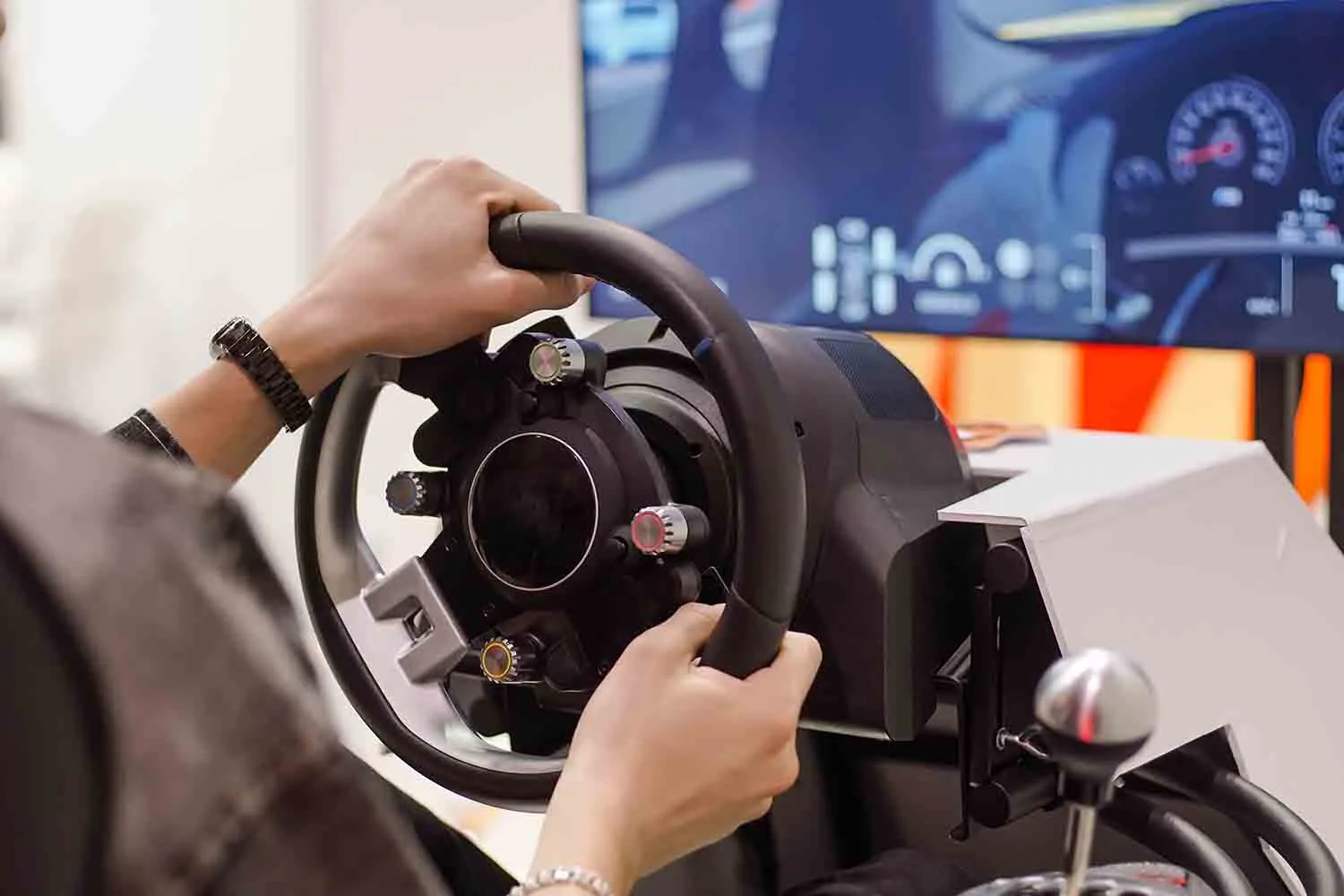
Researchers at Brown University analysed 16 controlled trials published between 2019 and 2024, examining the acute and residual effects of cannabis on driving performance. All studies used Standard Deviation of Lateral Position (SDLP) – a measure of how consistently drivers maintain their lane position – as the primary indicator of impairment. They found that inhaled cannabis with THC consistently impaired driving performance within the first hour of use. This impairment remained detectable for approximately four to five hours after inhalation.
Unlike alcohol, where blood concentration levels correlate closely with impairment, cannabis presents a markedly different challenge. Researchers found poor correspondence between THC levels in biological specimens and actual driving-related cognitive impairment.
“There are no reliable or practical biochemical or behavioral methods used in real-time with drivers on the road to determine cannabis-induced impairment,” the researchers said. “Many studies have found weak or non-existent correlations between THC concentrations in blood, oral fluid, or breath and actual driving performance or impairment.”
The review also showed that cannabidiol (CBD) – cannabis’s non-psychoactive component – did not impair driving performance at the doses typically used outside clinical settings (under 300mg).
“These findings collectively underscore that THC concentrations in common biofluids (e.g., blood and saliva) and exhaled breath are unreliable as sole indicators of current driving impairment,” the study’s authors said. “There are no empirically supported thresholds for blood or oral fluids that reliably indicate cannabis impairment.”
Based on the evidence, the researchers recommend waiting at least five hours after smoking or vaporising cannabis before driving. For oral cannabis products, they suggest waiting even longer, though more research is needed to establish specific timeframes.
The review emphasises that avoiding driving within one hour of cannabis use is “absolutely imperative”, as epidemiological studies show the highest accident risk occurs during this period. However, these guidelines don’t account for individual variations in cannabis experience, different methods of consumption, or interactions with other substances or medications.
