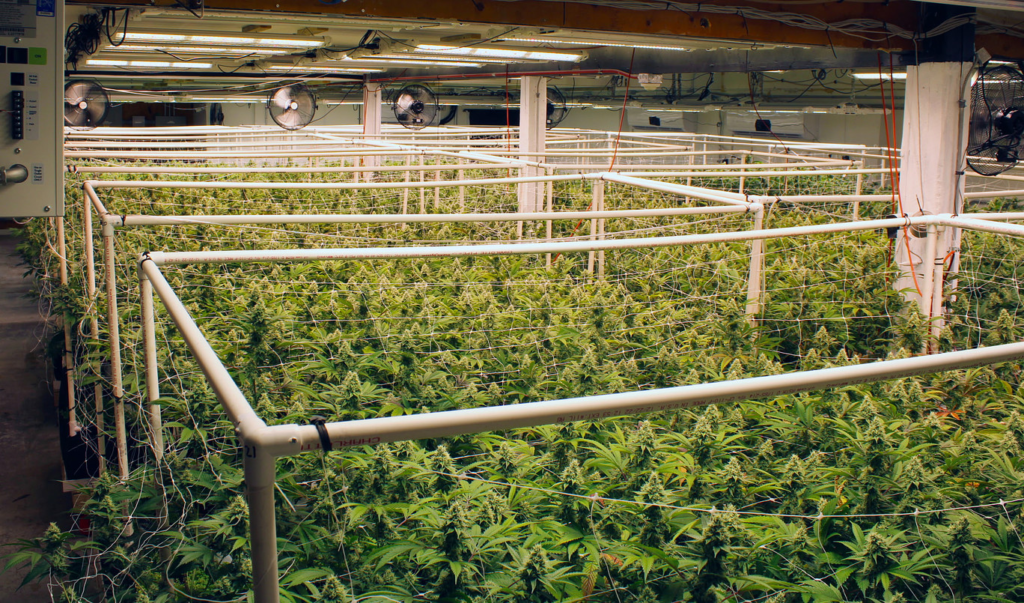
Cannabis has entered its industrial phase, with large operators building multi-state footprints, standardizing production, and moving product through increasingly familiar retail channels. That version of the industry is easy to recognize and increasingly efficient, but it is only part of the story.
Alongside it, a smaller segment continues to develop with different priorities, propelled by the belief that cannabis quality depends on proximity, control, and a level of attention that does not translate easily across large systems.
Tito Bern has spent decades moving through cannabis culture from multiple angles, first as a cultivator working quietly before legalization and later as a glass artist and shop owner embedded in the functional glass scene. Today, he has multiple businesses from head shops to dispensary grow operations, working within Vermont’s regulated market and beyond.
His perspective reflects that long arc, spanning the underground era through the transition into a legal framework that still favors localized production in states like Vermont.
“Never choosing yield over quality, ever,” he said.
That principle sits at the center of his approach and carries through every stage of production.
The Work Behind The Product
As cannabis becomes more visible, cultivation is often framed as a lifestyle rife with excess, but the reality tends to be far more stark. Bern describes the work in direct terms, emphasizing how much of it is repetitive, physical, and difficult to sustain over long periods.
“The fact of the matter is that growing weed, 80% of it is just tedious stuff like cleaning or some other form of demanding work,” he said.
Maintaining a controlled environment requires constant attention, and small missteps can affect an entire crop. Even experienced growers lose plants, lose yield, and spend years refining their process in ways that are largely invisible to the consumer.
That learning curve becomes more pronounced when cultivation methods are built around quality at the expense of convenience. Bern’s operation relies on living soil, a system that replaces synthetic feeding schedules with a managed biological environment that must be monitored and adjusted continuously.
“If you don’t manage certain aspects of it right, you will get spanked,” he said.
Soil composition, moisture levels, and microbial balance all interact in ways that resist simplification, and there is no fixed formula that can be applied across cycles without adjustment. The benefit of that approach shows up in the finished product, where growers point to a depth and complexity that is difficult to replicate through more standardized methods.
Decisions That Do Not Scale

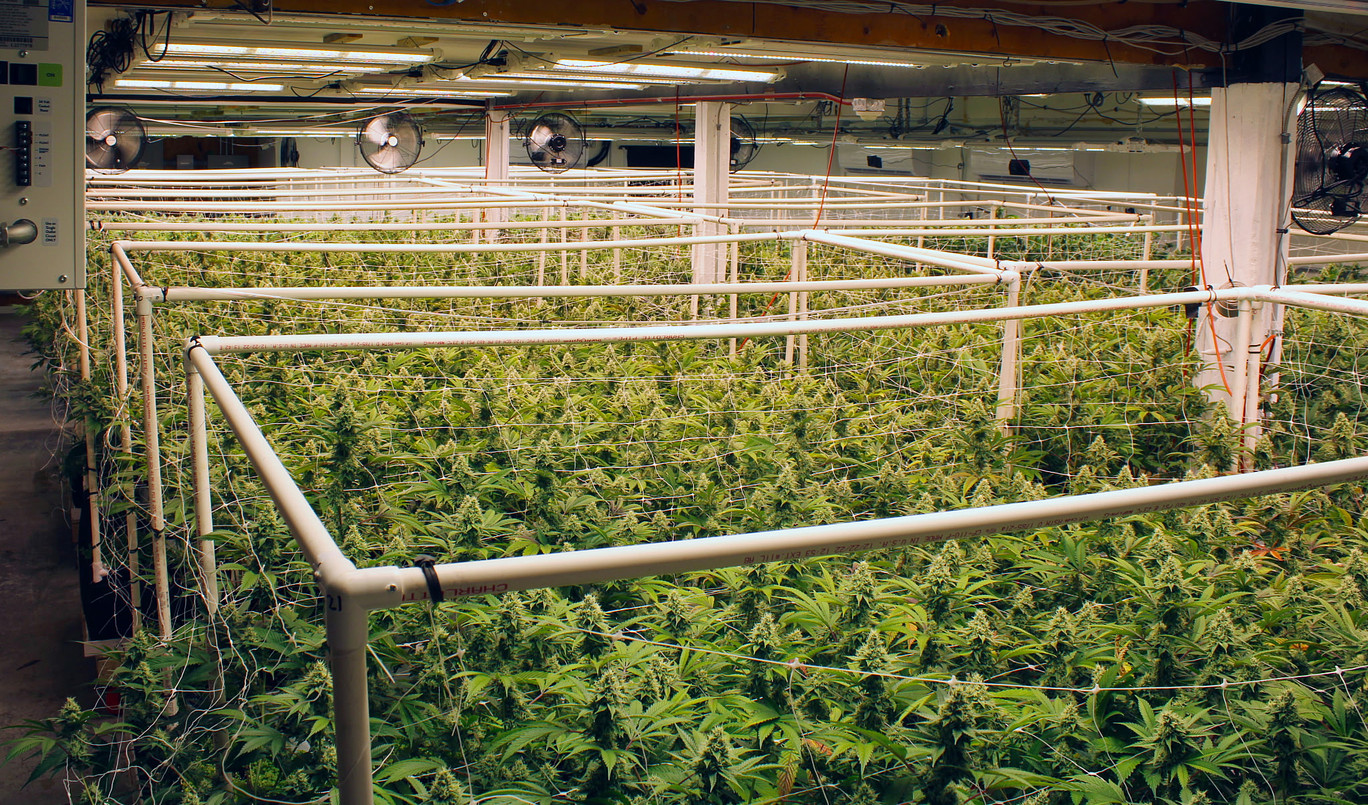
As operations move deeper into high-end production, the process becomes defined by choices that slow everything down and require more labor at each step. Hand trimming is one of the clearest examples. It remains one of the most time-intensive parts of production, yet Bern treats it as essential to maintaining quality.
“Every bud, one at a time,” he said.
While machine trimming offers speed and efficiency, it also disrupts the trichomes that carry much of the plant’s cannabinoid and aromatic content, altering the final experience in ways that are difficult to recover later.
The same attention extends through curing and storage, where environmental control remains consistent from harvest through sale. Bern described a process where temperature and humidity are maintained without interruption, limiting exposure to conditions that could degrade the product.
“There’s no moment when that bud is going to be in some atmosphere that it doesn’t like,” he said.
These decisions accumulate, each one reinforcing the integrity of the flower while also narrowing the path to scale.
Why Cannabis Favors Local Production
Cannabis behaves differently than many agricultural products once it leaves the grow. The plant continues to change after harvest, with handling, vibration, and time affecting the final experience even under controlled conditions.
“You grow a bud and then once you bag it and you ship it… when it comes out the other end, it’s just lost a little something,” Bern said.
In Vermont, regulatory structure has reinforced a localized model by limiting operators to a single licensed location, reducing the likelihood of consolidation and supporting a network of smaller producers. Dispensary menus reflect that structure, with products that vary based on cultivation style, curing practices, and the decisions made by individual growers. At the same time, larger operators continue to serve a broader segment of the market, focusing on efficiency and price.
“They belong in the cheapest categories,” Bern said.
That division reflects how the industry is organizing itself, with different models addressing different expectations.
Holding Onto What Works

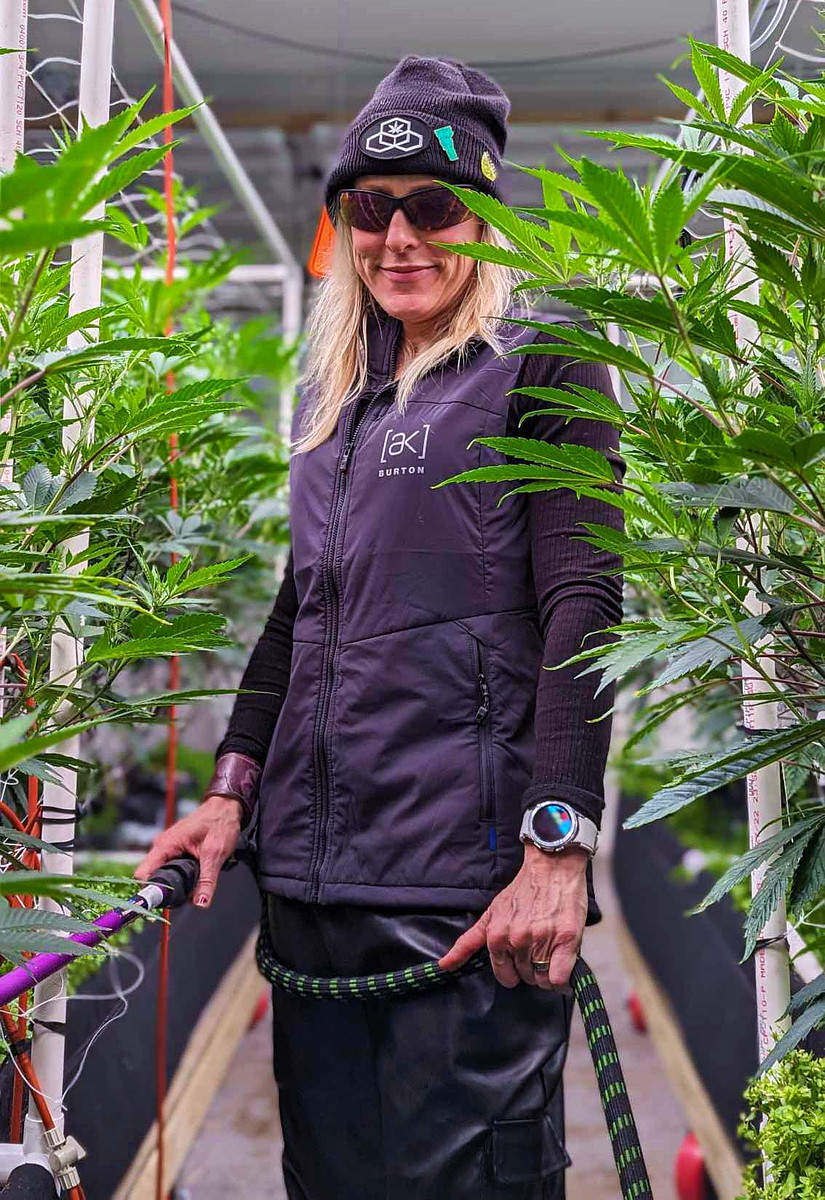
While some parts of the market move quickly in response to trends, Bern takes a longer view, focusing on preservation as much as production. Alongside co-founder and head grower Mikaela Boman, who is also his wife, Bern Organics has preserved specific strains for nearly two decades. Through meticulous cloning and stewardship, they have kept these legacy genetics alive rather than cycling them out for newer varieties.
“The same clone… recreated year after year after year,” he said.
One of those strains, known as Dope Dog, was passed down from a grower who wanted to ensure it would continue.
“This one is special,” the grower told him.
The strain remains difficult to cultivate and requires a level of attention that limits how widely it can be produced, but its value lies in its distinctiveness and continuity. Bern Organics applies the same patience to new genetics, with pheno hunts that can take one to two years before a strain is considered stable enough to enter production. Selection is based on performance and character rather than speed.
What Consumers Actually Get
At the retail level, these decisions translate into differences that experienced consumers can recognize, even if they are not always captured in standard testing metrics. Machine-trimmed flower often arrives with a portion of its trichomes already removed, while extended distribution chains can introduce gradual degradation. Growth cycles that prioritize speed can limit the plant’s full development, shaping the final product in subtle but meaningful ways.
Bern argued that these factors accumulate, creating distinctions that go beyond potency or terpene content.
“It feels like it’s actually more the other organic compounds and flavonoids and other things that we haven’t gotten to research as well,” he said.
A Market That Will Not Converge
Cannabis is developing along parallel tracks, with large-scale production continuing to expand alongside a smaller segment that remains focused on method, discipline, and control. Each model serves a different purpose, and the industry shows little sign of consolidating around a single approach. For growers like Bern, the work remains rooted in a set of choices that prioritize the product over expansion.