


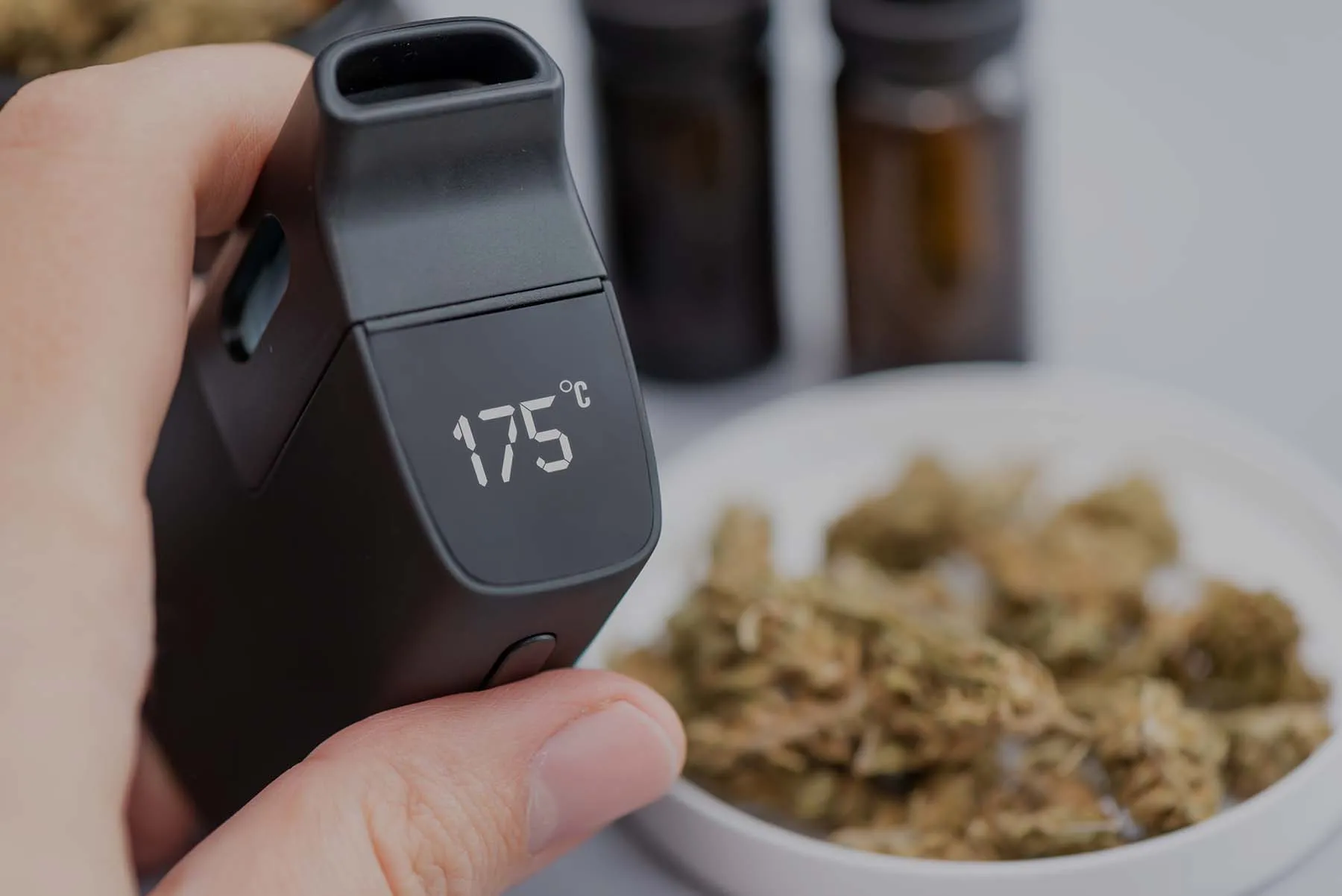
Vaping cannabis produces up to 99% fewer harmful chemicals than smoking it, according to a new self-published study paper by vaporiser manufacturer PAX.
The research, which compared toxic compounds in smoke from cannabis joints with vapour from PAX’s own dry herb vaporiser devices, found dramatic reductions across 16 harmful substances, including benzene, formaldehyde and acetaldehyde.
The combustion of cannabis products – either with a bong, pipe, in rolling papers, or any other form of combustion-based inhalation – creates temperatures exceeding 900°C, triggering pyrolysis and oxidation reactions that produce toxic chemicals. Many of which are also present in the smoke from other sources of combustion, including tobacco smoke, wood fires, vehicle exhaust fumes, and are also found in many household cleaning products.
By contrast, dry herb vaporisers (DHVs) heat cannabis to lower temperatures, typically 160–230°C, aiming to release cannabinoids and terpenes whilst avoiding combustion.
The study analysed Harmful and Potentially Harmful Constituents (HPHCs) such as hydrogen cyanide (HCN), polycyclic aromatic hydrocarbons (PAHs), and volatile organic compounds (VOCs). All of which have been linked to severe health problems such as cancer, lung disease, heart problems, breathing difficulties and mental health issues.
Researchers from PAX wished to make a direct comparison of the harmful chemicals found in smoke from combusted cannabis and vapour produced by DHVs to determine how many more toxic chemicals are found in combusted cannabis than in vaped cannabis.
To produce smoke, researchers put Lemon Cake Batter cannabis flower into pre-rolled cones. and each joint was packed to a specific density to ensure consistency.
“For combustion experiments, 750 mg of ground cannabis flower was loaded into RAW Classic unbleached hemp cone wraps. The packing density was standardized to provide an average pressure drop of 1.67 +/- 0.05 kPa at 2 liters per minute LPM of flow. Each joint was puffed individually until the combustion front reached the crutch,” the paper said.
For comparison, researchers used the PAX Flow device to produce the vapour for analysis. The devices were packed with around 0.3 grams of the same cannabis flower. The design of the study called for the use of four different PAX Flow devices, with multiple sessions aggregated to produce sufficient aerosol mass for chemical analysis.
 DHV being used in the test. Source: PAX
To make an accurate comparison, researchers used aerosol-capture techniques, which involved filtering smoke and vapour through Cambridge filter pads (CFPs). These pads were then stored cryogenically at – 78 °C to preserve the captured material.

For the researchers to obtain comparable results from each of the collection methods, a ‘puffing protocol’ was employed: “Both delivery systems were tested using identical puffing conditions,” researchers said. “These puff parameters were selected to simulate realistic inhalation conditions while maintaining experimental consistency.”
The results showed a 99% reduction of all the HPHCs tested for in the DHV vapour compared to those in the smoke from joints.
“Across the sixteen quantified HPHCs, vapor aerosol contained up to 99% lower concentrations compared with joint smoke. These results demonstrate dramatic reductions in key combustion markers including aromatic hydrocarbons and aldehydes,” the study said.
Qualitative analysis also revealed that joint smoke contained approximately 189 compounds, including additional toxicants found in cigarette smoke such as ethylbenzene, styrene, p-cresol and m-xylene. Some captured smoke constituents formed a semi-insoluble residue, likely originating from incompletely combusted plant material.
In contrast, vaporiser emissions showed substantially fewer secondary compounds, with detected compounds primarily consisting of cannabinoids, monoterpenoids and sesquiterpenoids.
Researchers concluded that the inhalation of combusted cannabis smoke has much more potential to harm health than the inhalation of vapour from a DHV.
“Combustion of cannabis plant material produces a complex aerosol containing numerous harmful byproducts generated through pyrolysis and oxidation. Under matched puffing conditions, vaporization of cannabis flower reduced exposure to these harmful compounds by up to 99% compared with joint smoke. These findings demonstrate that combustion is the primary source of toxic chemical exposure during cannabis smoking, and that vaporization technologies can substantially reduce formation of these byproducts,” the authors concluded.
The study acknowledged its limitations, noting it focused on a single cannabis cultivar and a limited set of targeted harmful compounds. The researchers suggested future work could examine additional cultivars, varying vaporisation temperatures and studying a broader chemical panel.
Although the study’s self-publication by a company with a commercial interest in promoting vaping over smoking may suggest bias, the findings align with previous research showing that exposing cannabis to lower temperatures, such as the temperatures used to heat cannabis in hand-held and desktop vaporiser devices, results in fewer toxic chemicals present in the inhaled vapour than there would be if the cannabis were combusted. In the UK, patients prescribed medical cannabis flower must use a dry herb vaporiser in accordance with the specialist Doctor’s dispensing directions.
